

What drives the cost of a custom costume
No price list here, because every costume is different. Fabric, fit and deadline set the number, and bids from real makers show it.
Costume Maker Hire is a site by The Spool List, the peer-to-peer fabrication marketplace.
How to measure for a custom costume
A maker cuts the pattern from your numbers, so a few careful minutes here saves a refit later. Use a soft tape measure. Keep it level, snug but not tight, and say whether you measured in centimetres or inches.
| Measurement | How to take it |
|---|---|
| Height | Stand barefoot against a wall. Measure floor to top of head. |
| Bust or chest | Tape around the fullest part, level across the back. |
| Underbust | Tape snug around the ribs, directly under the bust. |
| Natural waist | Tape around the narrowest part of the torso. Bend sideways to find it. |
| Hips | Tape around the fullest part of the hips and seat, about 20 cm below the waist. |
| Shoulder width | Bone to bone across the back, from one shoulder point to the other. |
| Neck | Around the base of the neck, with one finger under the tape so it isn't tight. |
| Sleeve length | Shoulder point to wrist bone, with the arm slightly bent. |
| Nape to waist | From the bump at the back of the neck down to the natural waist. |
| Waist to floor | Natural waist to the floor, barefoot or in the shoes you will wear. |
| Thigh | Around the fullest part of the upper leg, standing with weight on both feet. |
| Inseam | Crotch to ankle bone along the inner leg. |
| Head circumference | Around the forehead, above the ears. Needed for hats and mascot heads. |
Before you send your measurements
- Wear the underlayers you will wear on the day: binder, corset, padding or base suit.
- Ask someone else to hold the tape. Measuring yourself pulls it off level.
- Stand relaxed and breathe normally. Don't hold your breath or pull your stomach in.
- Measure twice. If the two numbers differ, send the larger one and say so.
- Say these are body measurements, not garment sizes. The maker adds the ease.
- For a cast, send one row per performer with their name or role, plus height and shoe size.
- Mascot or full-head costumes also need head circumference and the wearer's eye height from the floor.
Wear the underlayers you will wear on the day. Ask a second person to hold the tape.
Real work from makers on The Spool List
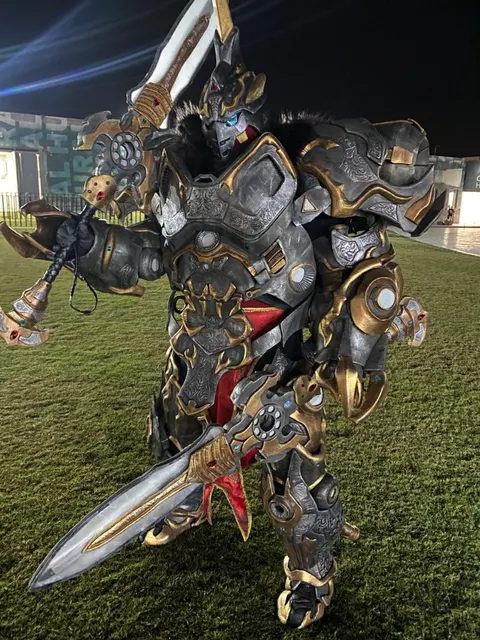
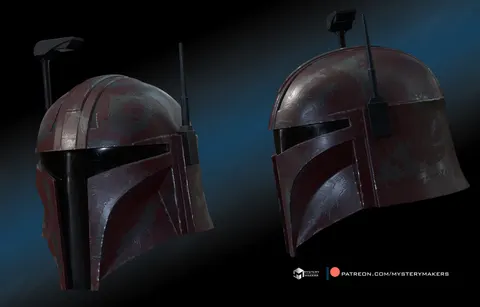
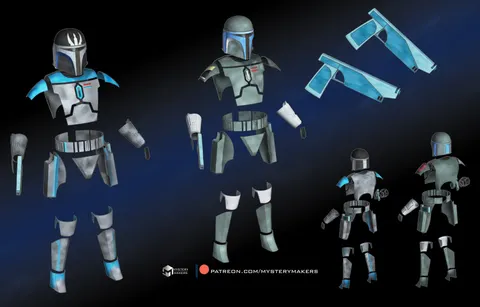
Photos from real Forge listings and maker portfolios on The Spool List — not stock images.
What moves the price
- Fabric — Cotton and poly-blend cost a fraction of silk, velvet or brocade. On a period piece, fabric can be a large share of the total.
- Fit and structure — A loose tunic needs one fitting at most. A boned bodice or tailored coat needs a toile, fittings and hours of pattern work.
- Embellishment — Beading, appliqué, trims and hand finishing are priced by the hour. A sequined dance costume costs more than the plain version.
- Quantity — A cast of 12 is a different job from one costume. Per-piece cost can drop, but the total is higher and needs a schedule.
- Deadline — A tight deadline is a rush job. Rush work usually costs more, and some makers will decline.
- Alterations or new — Altering a garment you own usually costs less than a new build. Say which you need in the brief.
How to brief a costume maker (paste this into your post)
- The occasion: production, recital, mascot role, reenactment, event or party.
- Reference images or a design sketch, front and back if you have them.
- A list of every garment and accessory you need made.
- Measurements, or a plan for fittings if the wearer is far away or still growing.
- How many costumes, and whether they are identical or differ per person.
- The date you need them in hand, plus the first performance or event date.
- Fabric preferences, and anything that must be washable or fire-retardant.
- Budget range, and your shipping country.